
The Nature of Luck in Gaming
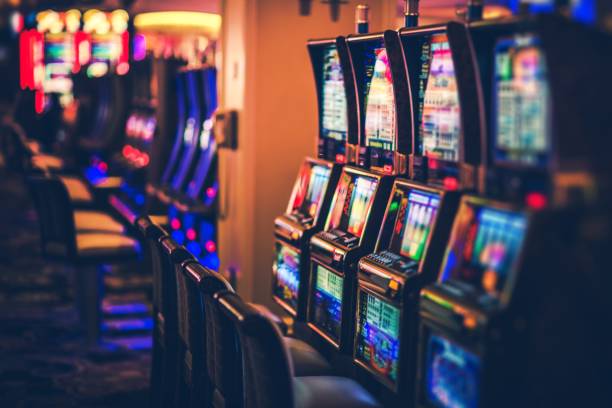
Luck plays a significant role at the gaming table, often influencing the outcomes more than players might like to admit. In games of chance, such as roulette or slot machines, the results are predominantly determined by random factors, making luck the primary determinant of success. Players may find themselves on winning streaks or experiencing long stretches of losses, creating a rollercoaster of emotions tied directly to fortune. For those who prefer to manage their stakes more effectively, opting for a method like casino neosurf can enhance their gaming experience while navigating the unpredictable nature of luck, adding a level of excitement and suspense that keeps players returning, hoping to strike it big.
Moreover, luck is not merely a factor of numbers and randomness; it also encompasses situational aspects that can unexpectedly impact a game. For example, a player might make a significant win not just because of a high-stakes bet, but due to coincidental circumstances that play out in their favor. This unpredictability is what many players find appealing, as every turn could yield a different outcome, reinforcing the belief that anything can happen. This phenomenon illustrates how the element of chance can create memorable experiences, regardless of the outcome.
In contrast, other forms of gaming, like poker, highlight how luck can intertwine with skill. Even the most skilled player may find themselves at the mercy of a bad hand or an unexpected bluff. Here, luck can set the stage, but the actual gameplay will often depend on the decisions made by the players involved. This blend of luck and skill is what makes games like poker so compelling, as fortunes can change in an instant, showcasing the duality of chance and strategy in action.
The Importance of Skill in Strategy Games
While luck can influence the outcomes in various gaming scenarios, skill remains a crucial element, particularly in strategy games. Games like blackjack or poker require a deep understanding of the game mechanics and the ability to make informed decisions under pressure. Skilled players can analyze the odds, assess their position against other players, and even bluff their way into winning hands. The strategic use of skill often helps players mitigate the role of luck, allowing them to steer outcomes more in their favor.
In strategic games, players can enhance their performance by studying probabilities and employing various tactics. For instance, in blackjack, players can use card counting techniques to gain a better edge over the house. This application of skill demonstrates how players can develop methods that help them capitalize on fortunate situations while navigating through unfavorable ones. Ultimately, skill transforms gaming from mere chance into a strategic battleground where knowledge and experience can yield significant advantages.

Furthermore, skilled players often develop a keen sense of timing and risk assessment. Understanding when to push for higher stakes or when to fold can make all the difference in the heat of the moment. It is not solely about the cards or rolls but how effectively a player can leverage the situation to their benefit. This combination of calculated foresight and a little bit of luck creates a dynamic atmosphere, where every decision can lead to new opportunities and unexpected twists.
The Psychological Impact of Luck and Skill
The interplay of luck and skill at the gaming table also evokes various psychological responses from players. Many individuals experience heightened emotions, from the thrill of winning to the frustration of losing, largely due to the element of chance involved. This emotional rollercoaster can lead to an “illusion of control,” where players may believe they can influence luck through superstitious behaviors or strategies, despite the inherent randomness of the games.
This psychological connection can significantly impact a player’s approach to gaming. For example, a player who has experienced a series of wins may become overly confident, attributing their success to skill rather than luck. Conversely, a string of losses might lead to a sense of hopelessness, driving players to abandon logical strategy or to chase their losses in increasingly reckless ways. Understanding this psychological aspect is vital for both players and those involved in the gaming industry, as it influences not just individual behavior, but also social dynamics at the gaming table.
Moreover, the blend of luck and skill can cultivate a competitive spirit among players, pushing them to improve their skills and strategies in hopes of diminishing the role of chance. This quest for mastery can lead players to develop a deeper appreciation for the games themselves, as they realize the complexity of balancing both luck and skill in their gaming experiences. Such engagement not only heightens the enjoyment but also fosters a community of players striving for excellence in a realm where fortune and talent coalesce.
The Role of Game Design in Balancing Luck and Skill
Game designers play a pivotal role in how luck and skill intertwine at the gaming table. By crafting rules and mechanics that encourage both chance and strategy, designers can create engaging experiences for players. For instance, games that include both luck-based elements and opportunities for skillful decision-making can provide a balanced approach that appeals to a broad audience. The art of game design lies in striking this balance, ensuring that no single element overshadows the other.
Additionally, the incorporation of varying degrees of luck allows for different player experiences, keeping the gameplay fresh and challenging. Many game designers implement a system of stakes and rewards that reflects this balance. For example, a game may offer substantial bonuses for risky plays while still allowing lower-stakes players to enjoy the less risky aspects of the game. This adaptability ensures that players at all levels can find enjoyment and satisfaction, regardless of their proficiency in skill-based strategies.
As technology advances, game designers continue to innovate and create immersive experiences that harness both elements effectively. Online gaming platforms now utilize advanced algorithms to simulate luck while offering players tools to enhance their skills. This evolution demonstrates the ongoing importance of balancing luck and skill, ensuring that the gaming experience remains dynamic and engaging for both casual players and seasoned professionals alike.
Exploring More on Gaming and Strategies
If you are keen to delve deeper into the fascinating world of gaming, including the interplay of luck and skill, there is a wealth of resources available. Websites dedicated to gaming strategies, analysis, and community discussions can enhance your understanding and appreciation of these complex dynamics. Learning from experienced players and experts can provide invaluable insights into how to navigate the gaming table effectively.
Moreover, engaging with forums and interactive platforms can encourage your participation in discussions surrounding gaming strategies, where you can share your experiences and learn from others. The sense of community found within these platforms enhances the gaming experience, allowing players to connect over shared interests and challenges. As you explore these resources, you will find yourself better equipped to approach gaming with a balanced mindset towards both luck and skill.
Whether you are a casual player looking to improve or a seasoned veteran wanting to refine your strategies, there is always room for growth and discovery in the gaming universe. Embrace the chance to learn from others, analyze successful strategies, and reflect on your experiences as you navigate through the enchanting world of gaming where luck and skill harmoniously collide.